Kolkata’s Civic Crisis Deepens as Politics Paralyses Municipal Services
Kolkata’s Civic Crisis Deepens as Politics Paralyses Municipal Services

By Kunal Chatterjee
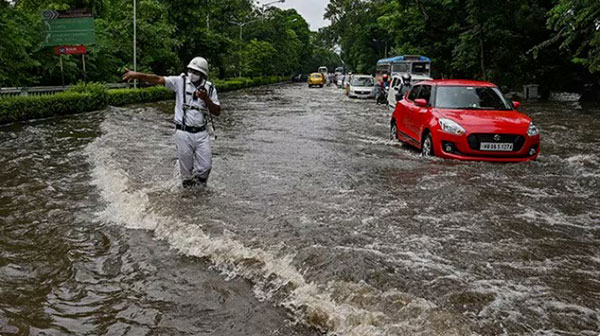
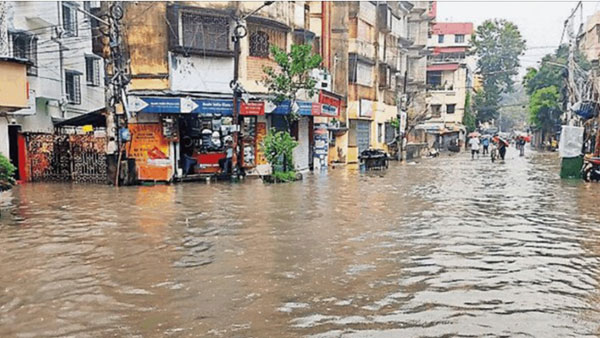
Kolkata and much of West Bengal are confronting a deepening civic-services crisis, with monsoon rains once again exposing the fragility of roads, drainage and municipal administration. A single spell of more than 100 mm of rain in about 90 minutes recently submerged major Kolkata roads, while water entered hospitals and government offices.
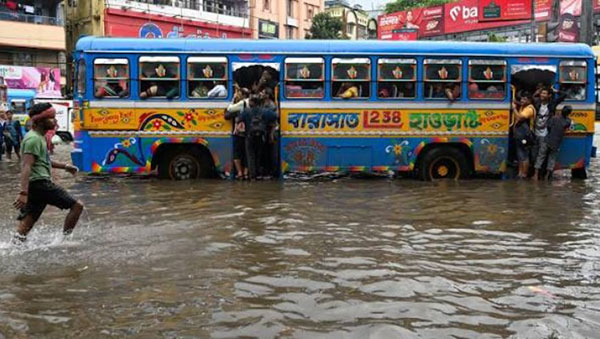
The damage does not end when the water recedes. Potholes widen, road surfaces crumble and poorly repaired stretches become dangerous for motorists and pedestrians. Salt Lake, once regarded as one of Bengal’s better-planned townships, has been particularly criticised for broken roads, dysfunctional streetlights and inadequate waste management.
But the larger problem is political paralysis. Following the BJP’s advent to power in the state, resignations and arrests have thrown several civic bodies into uncertainty. Around 115 councillors, including five municipal chairpersons, reportedly resigned across municipalities in the Barrackpore belt, while several other civic boards have been left without elected leadership.
Kolkata mayor Firhad Hakim and Bidhannagar mayor Krishna Chakraborty also resigned. Chakraborty said councillors and officers were no longer attending, making it “difficult to provide services”.
The crisis reflects more than political transition: years of weak municipal finances, inadequate manpower, poor tax collection and dependence on state agencies have left local governments structurally vulnerable. In Bidhannagar, Chakraborty acknowledged that poor property-tax collection and dependence on KMDA funding constrained basic road repairs.
The BJP government has responded by dissolving some elected boards and appointing administrators, including in Kolkata and Bidhannagar.
The danger is that replacing elected councils with administrators may restore short-term control but weaken democratic accountability. Kolkata’s civic crisis is therefore not merely about rainwater or potholes; it is increasingly a crisis of municipal capacity, political continuity and accountability.
Explore more opinions, analysis, and insights by Sujit Chatterjee .